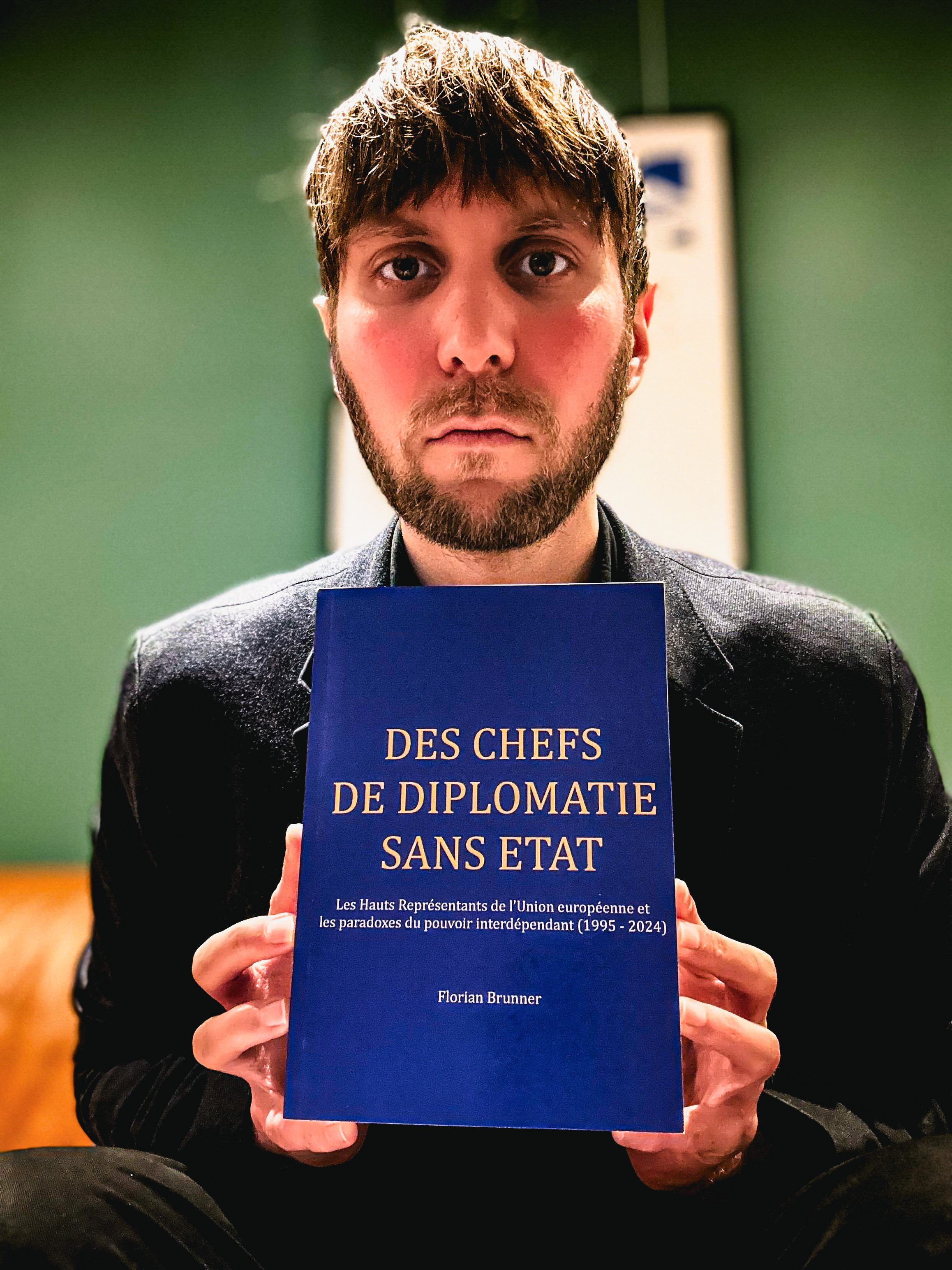
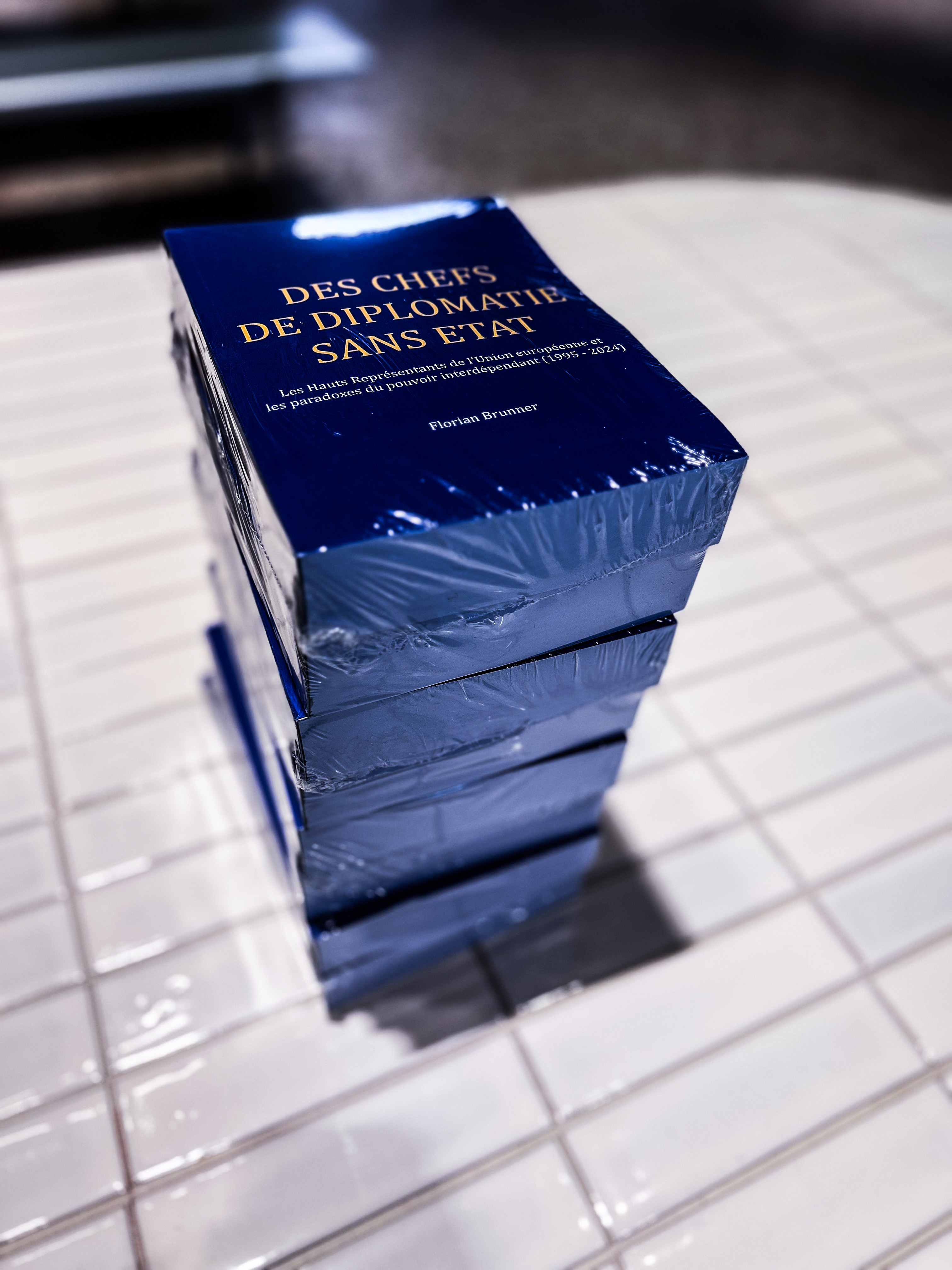
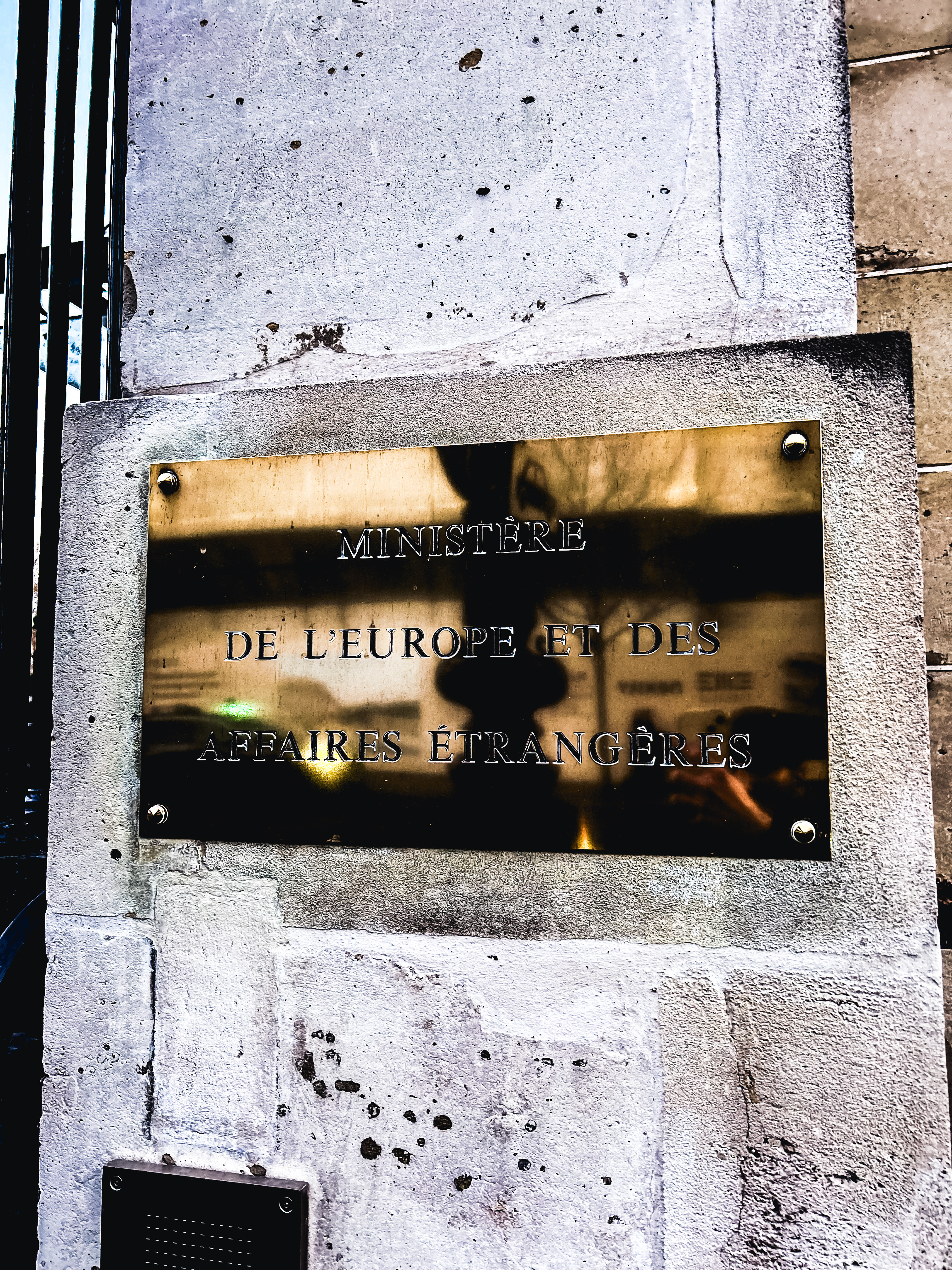
On 20 November 2025, Florian Brunner notably deposited six copies of the dissertation at the French Ministry for Europe and Foreign Affairs, intended in particular for the Minister for Europe and Foreign Affairs, the Minister Delegate for Europe, the Director-General for Political and Security Affairs, the Director for the European Union, and the Director of the Centre for Analysis, Forecasting and Strategy (CAPS).
In December 2025, Florian Brunner personally handed over his dissertation to the physicist and physician Mr. Denis Le Bihan, the diplomat Mr. Pierre Vimont, the writer Mr. Kerwin Spire, and the diplomat Ms. Christina Vasak. One copy was sent to Madrid to Rear Admiral Mr. Louis Tillier, Director of the EU Satellite Centre (SatCen).
Research
Florian Brunner holds a PhD in Political Science/International Relations. He defended his doctoral dissertation on 24 October 2025, entitled:
Chiefs of Diplomacy Without a State: The High Representatives of the European Union and the Paradoxes of Interdependent Power (1995–2024).
The manuscript, which exceeds 700 pages, immediately stands out for its exceptional empirical and analytical density: 703 pages, 327,601 words, 1,871,871 characters (excluding spaces), 2,198,172 characters (including spaces), 4,917 paragraphs, and 31,034 lines.
It covers nearly three decades of institutional evolution, from the creation of the High Representative position to the profound reconfiguration of the Common Foreign and Security Policy (CFSP) in the context of the war in Ukraine.
Chiefs of Diplomacy Without a State: The High Representatives of the European Union and the Paradoxes of Interdependent Power (1995–2024).
The manuscript, which exceeds 700 pages, immediately stands out for its exceptional empirical and analytical density: 703 pages, 327,601 words, 1,871,871 characters (excluding spaces), 2,198,172 characters (including spaces), 4,917 paragraphs, and 31,034 lines.
It covers nearly three decades of institutional evolution, from the creation of the High Representative position to the profound reconfiguration of the Common Foreign and Security Policy (CFSP) in the context of the war in Ukraine.
327,601 words
1,871,871 characters
(excluding spaces)
4,917 paragraphs
The very structure of the dissertation reflects this ambition: a patient reconstruction of the systemic foundations of the High Representative’s power; an in-depth doctrinal analysis (the European Security Strategy, the Global Strategy, the Strategic Compass); followed by a meticulous examination of the instruments of implementation, foremost among them the European Peace Facility, military planning, space security, and the role of the European Union Satellite Centre (SatCen). Taken together, these elements form a genuine cartography of interdependent executive power within the CFSP.
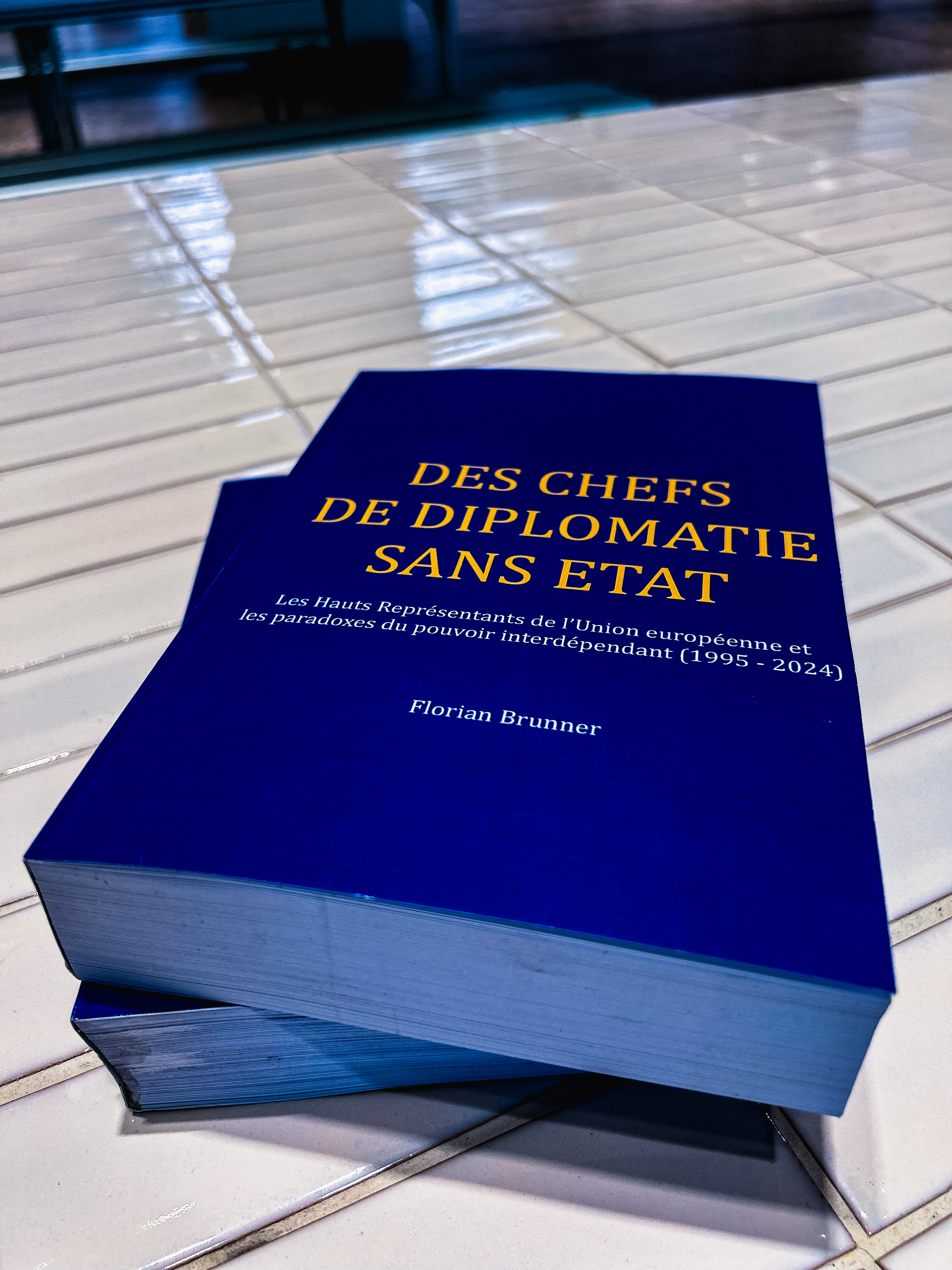
This work is based on an exceptional empirical corpus: 64 in-depth interviews, conducted over several years, with actors positioned at the very heart of European and transatlantic decision-making structures.
Among those interviewed are, in particular, Mr. Javier Solana, first High Representative; Mr. Hubert Védrine, former Minister of Foreign Affairs; Mr. Pierre Vimont, former Secretary-General of the European External Action Service (EEAS); Mr. Robert Cooper; Mr. Leonardo Schiavo; Mr. Jim Cloos; Mr. Stefano Manservisi; Mr. Pedro Serrano; Mr. Oliver Rentschler; Ms. Fabrizia Panzetti; Ms. Nathalie Tocci; Ms. Nicole Gnesotto; Mr. Thomas Gomart; Mr. Thierry de Montbrial; as well as senior civilian and military officials from the EEAS, the Council of the European Union, Ministries of Defence, NATO, leading think tanks, and academic institutions.
Also among the interviewees are, notably, Mr. Alexandre Adam (Office of the President of the French Republic); Ms. Claude-France Arnould (former Special Envoy for Space at the EEAS); Mr. Brice Houdet (SHAPE/NATO); Mr. Bart Laurent (European Union Military Staff); Mr. Louis Tillier (SatCen); Mr. Justin Vaïsse (Centre for Analysis, Forecasting and Strategy – CAPS); as well as interlocutors from the Directorate General for International Relations and Strategy (DGRIS) and other specialised bodies.
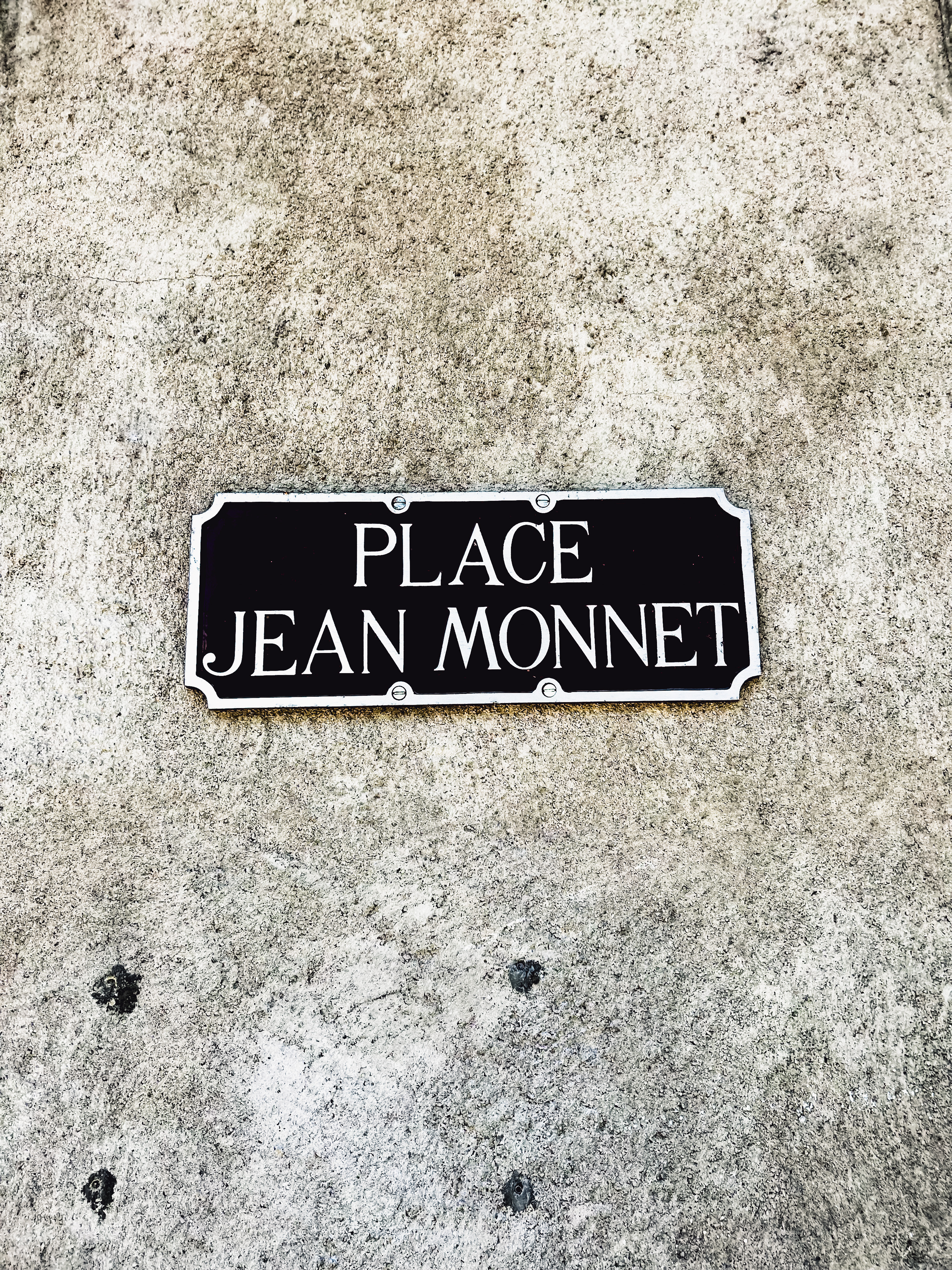
The interviews conducted as part of the dissertation led to the creation of an archival collection, deposited at the Jean Monnet Foundation for Europe in Lausanne, Switzerland. Florian Brunner was also awarded the Henri Rieben Fellowship by the Foundation in July 2023. The dissertation was thus enriched by an in-depth immersion in the archives of La Ferme de Dorigny, at the heart of the University of Lausanne campus.
As part of the course “European Integration: History and Contemporary Challenges” taught by Dr. Gilles Grin, who is also a lecturer at the University of Lausanne, Florian Brunner delivered two lectures, in May 2024 and April 2025, on the role of the European Union’s High Representative.
The dissertation was conducted under the supervision of Professor Michel Mangenot (Université Paris 8). The doctoral defense committee was composed of:
Professor Yves Buchet de Neuilly, Université Paris 1 Panthéon-Sorbonne (rapporteur / external reviewer);
Professor Christian Lequesne, Sciences Po (rapporteur / external reviewer);
Professor Sabine Saurugger, Sciences Po Grenoble – UGA (Chair of the committee);
Dr. Gilles Grin, Director of the Jean Monnet Foundation for Europe (Lausanne);
Dr. Auriane Guilbaud, Associate Professor (Maîtresse de conférences), Université Paris 8.
The doctoral defense committee highlighted both the exceptional richness of the empirical corpus, the conceptual mastery of the analytical framework, and the quality of the writing, described as fluid, precise, and rigorous, capable of making a complex institutional object intelligible without resorting to oversimplification.
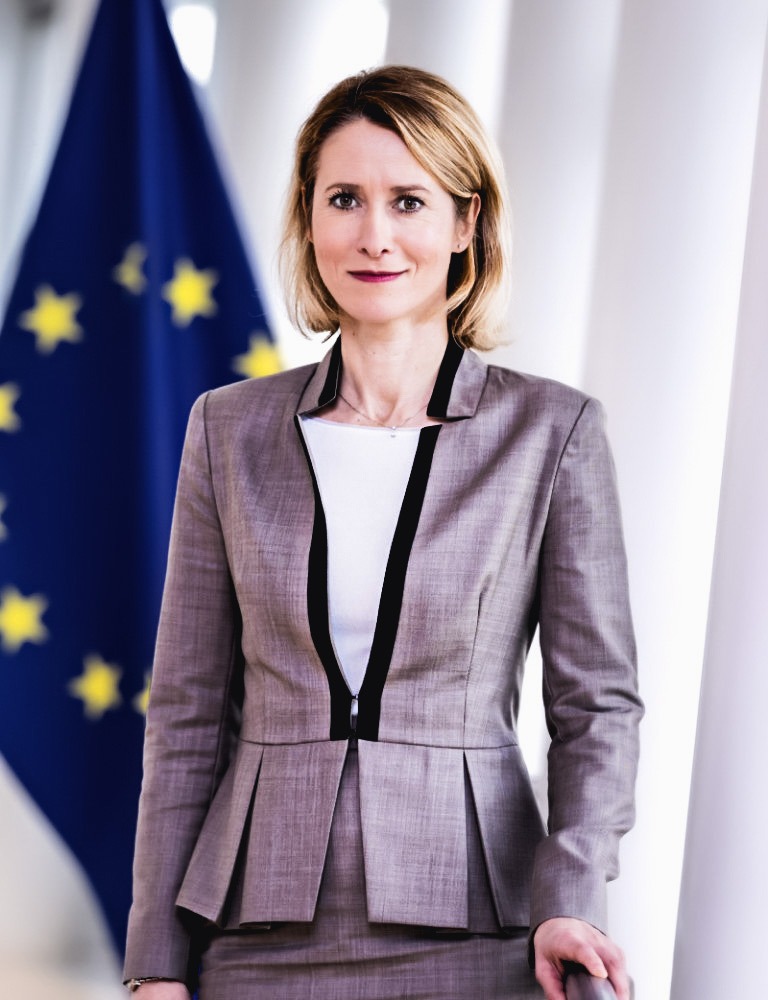
On 26 January 2026, two printed copies of Florian Brunner’s dissertation were delivered to the office of Ms. Kaja Kallas, High Representative of the European Union for Foreign Affairs and Security Policy. The High Representative expressed interest in the presentation of Florian Brunner’s work and indicated her willingness to examine it in detail.
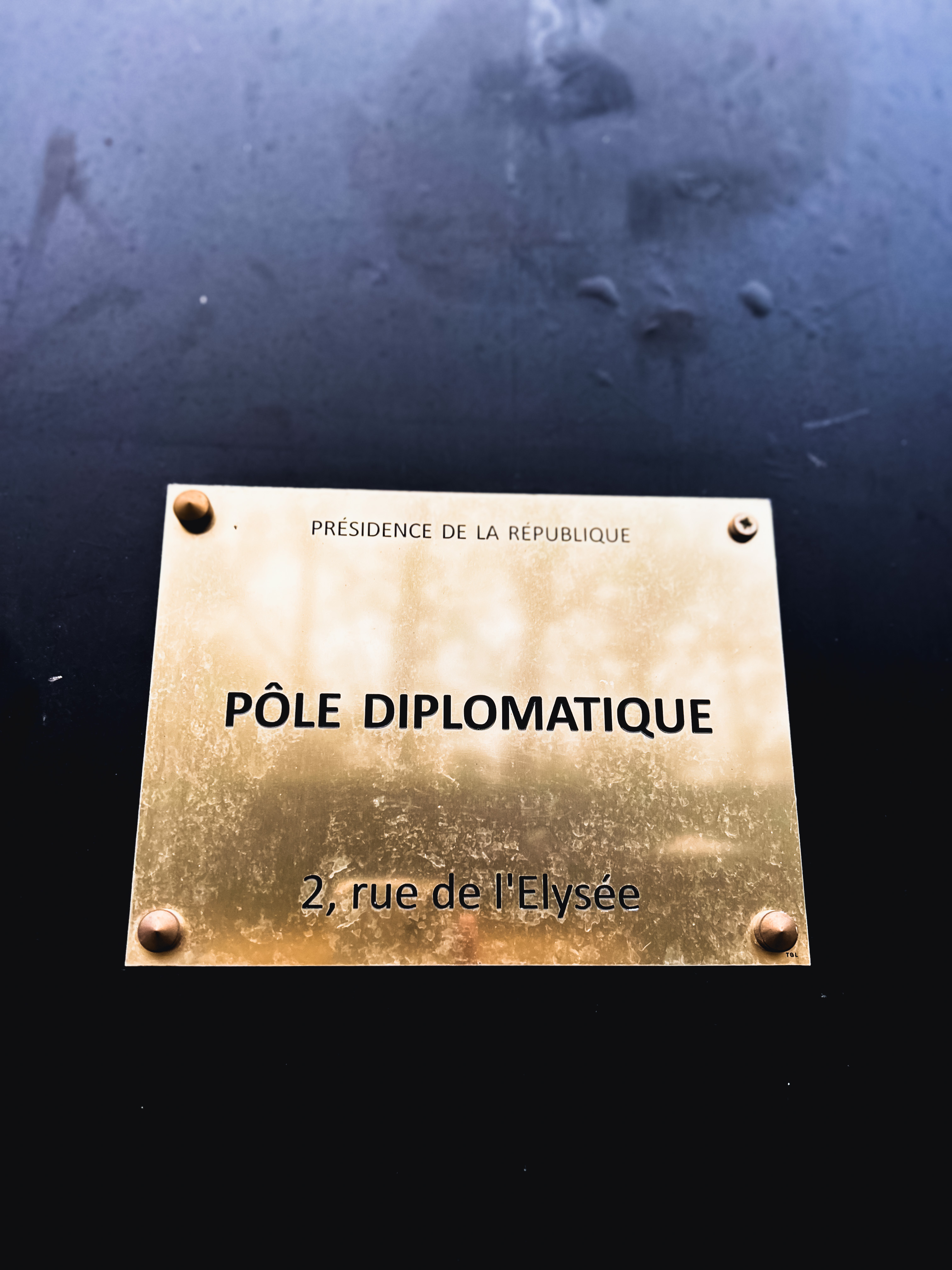
On 29 January 2026, Florian Brunner personally handed a copy of his dissertation to Mr. Alexis Dutertre, “Europe” adviser to the President of the French Republic. Florian Brunner and Alexis Dutertre engaged in a rich and substantive exchange on the central issues of the doctoral work.
On February 27, 2026, a printed copy of the thesis was delivered to the former High Representative of the European Union, Josep Borrell, in Madrid, accompanied by a personal note.
On March 17, 2026, Florian Brunner met with Steven Everts, Director of the European Union Institute for Security Studies. Florian Brunner presented him with a copy of his thesis, and they discussed the work, the reality of international relations, and the role of the European Union in the world.
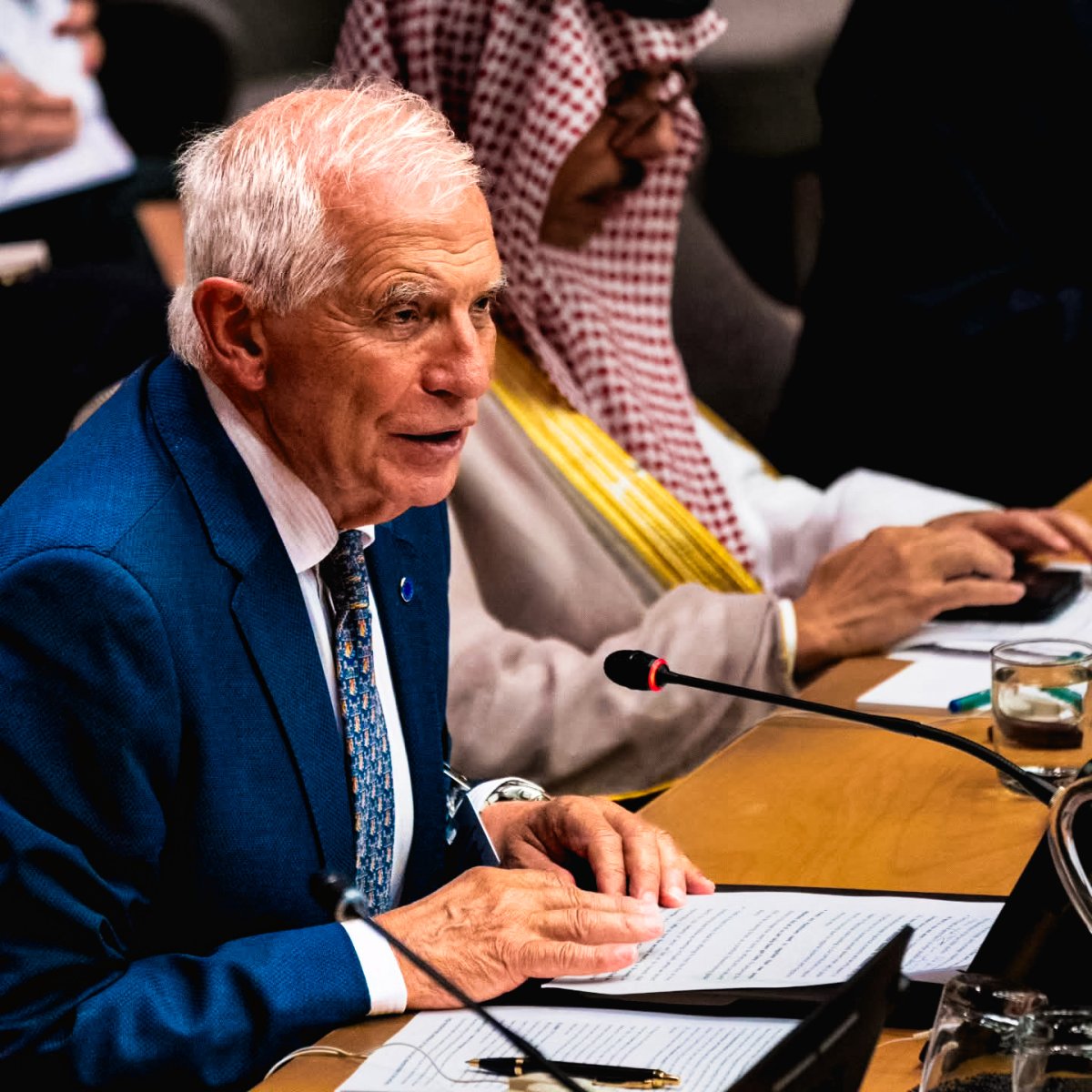
“Thank you, thank you very much. I am sure your work will be very, very interesting, and I am honored to receive a copy of your work. This is undoubtedly an important subject, because institutional confusion could not be greater.”
Josep Borrell
The dissertation now assumes the role of a compass. It is conceived as an instrument of diplomatic and security orientation, at the heart of an environment marked by uncertainty, instability, and conflict.
A compass does not impose a direction to follow. It enables orientation within the cartography of power and helps prevent disorientation. This compass is addressed to those who, within European institutions, Member States, or their administrations, seek to deploy the European Union’s external action with clarity and discernment.